Pressure Pak
Pressure Pak
Pressure Pak — Sustained Focused Pressure, Simplified
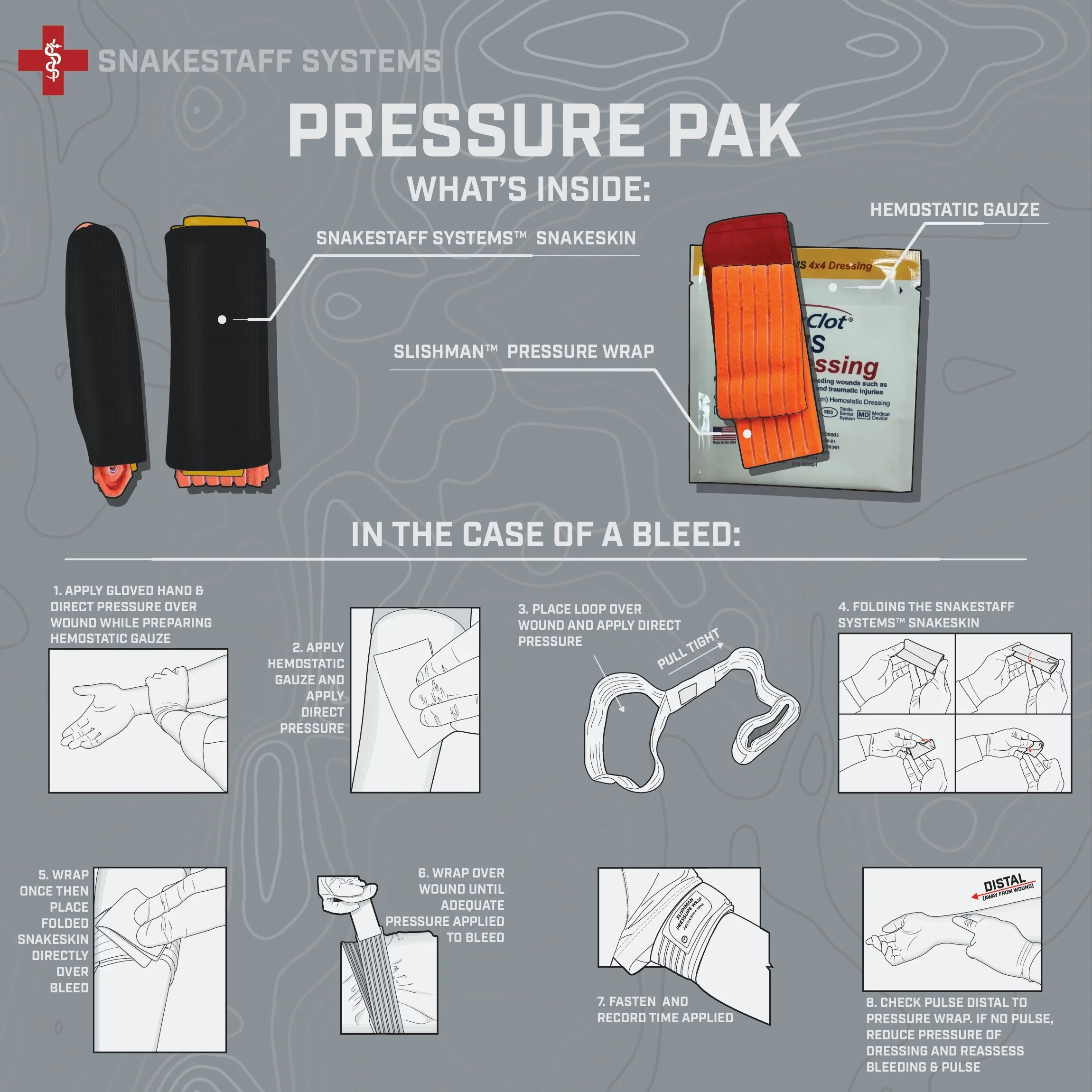
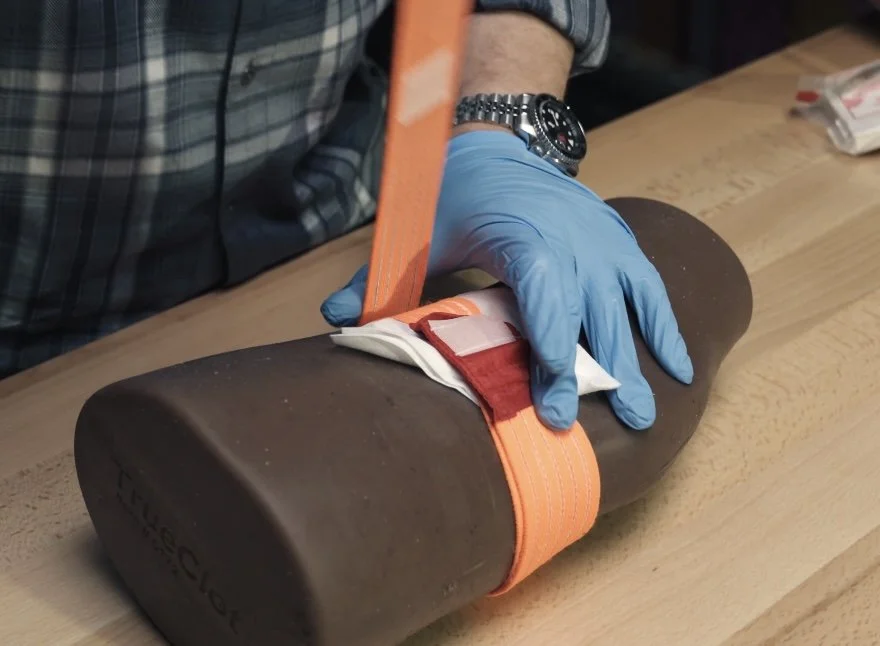
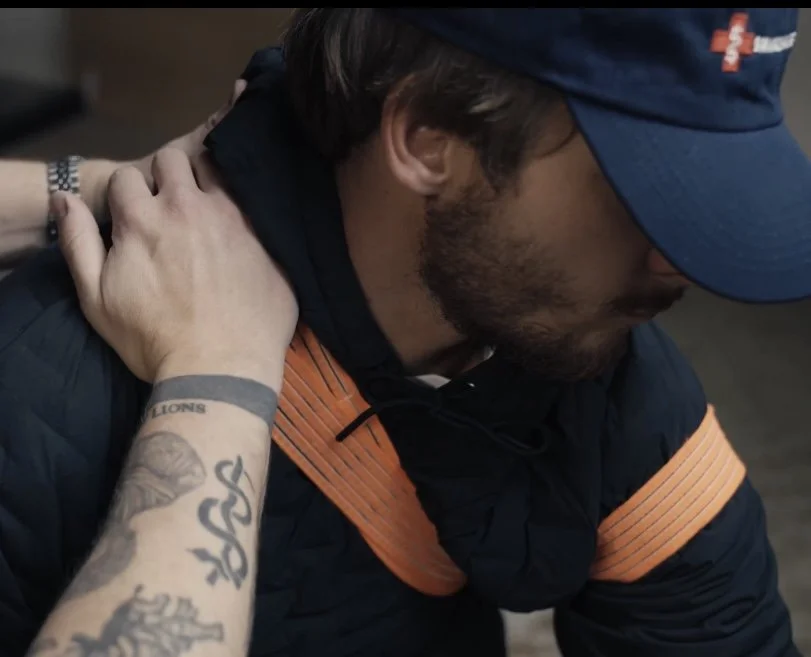
Uncontrolled bleeding is one of the leading causes of preventable death, and when seconds matter, simple, effective tools make the difference. The Pressure Pak is designed to bridge the critical gap between direct pressure and tourniquet use, providing sustained, reliable compression when hands-on pressure alone isn’t enough and when a tourniquet isn’t indicated. Built around the same escalation-based approach taught in modern civilian trauma care, the Pressure Pak allows you to trap the pressure you’ve already created—freeing your hands to manage the scene, address additional injuries, or communicate with first responders.
Unlike a tourniquet, the Pressure Pak is engineered to maintain firm pressure without occluding blood flow, helping preserve circulation while controlling bleeding. It is intuitive to apply, compact enough for everyday carry, and effective across a wide range of injuries—from major bleeds requiring prolonged pressure to wounds that have been packed and need consistent compression to remain controlled. Whether carried in an IFAK, vehicle kit, or range bag, the Pressure Pak is a practical, proven solution for everyday citizens who understand that tools alone don’t save lives—prepared people do.
Components & Configuration
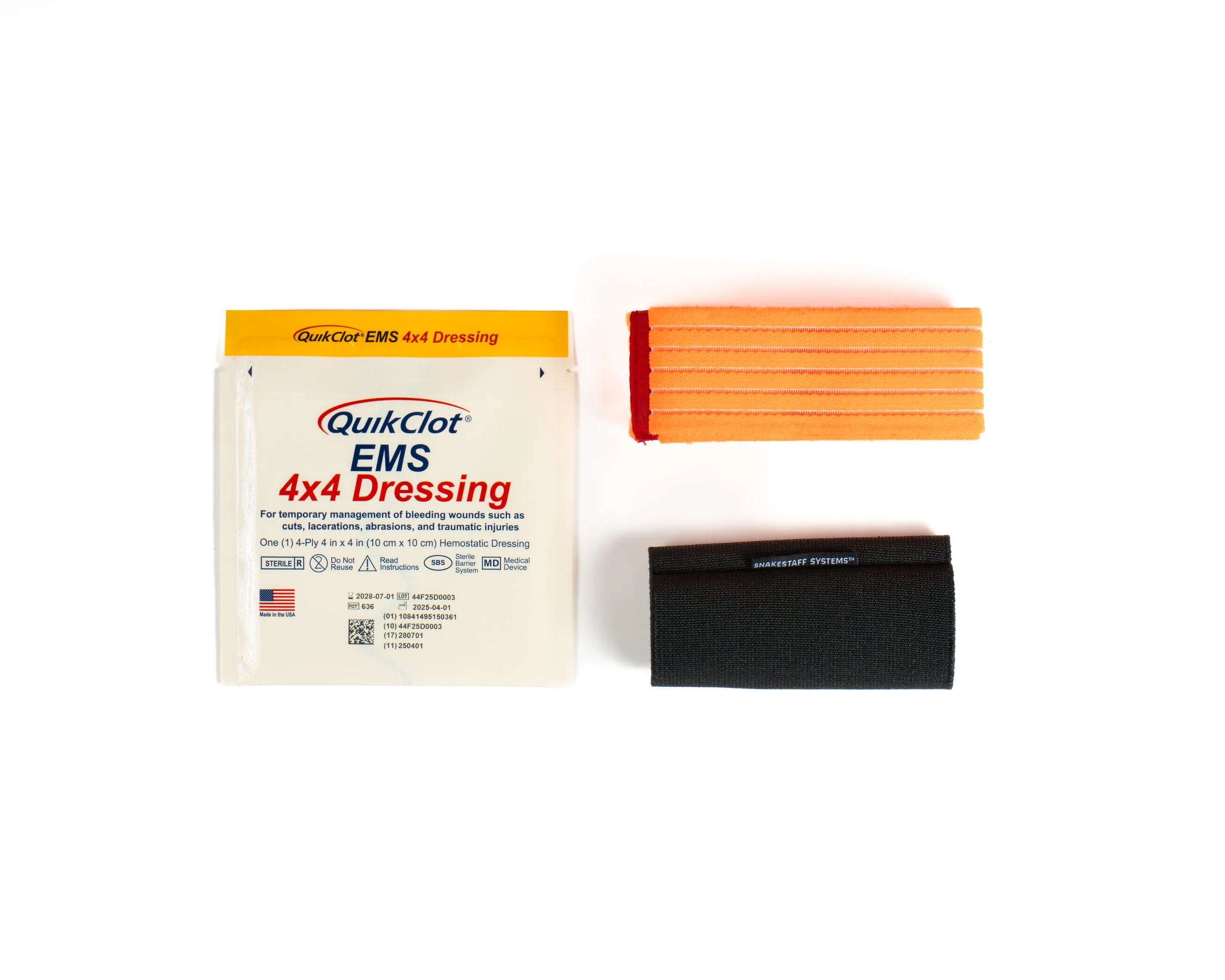
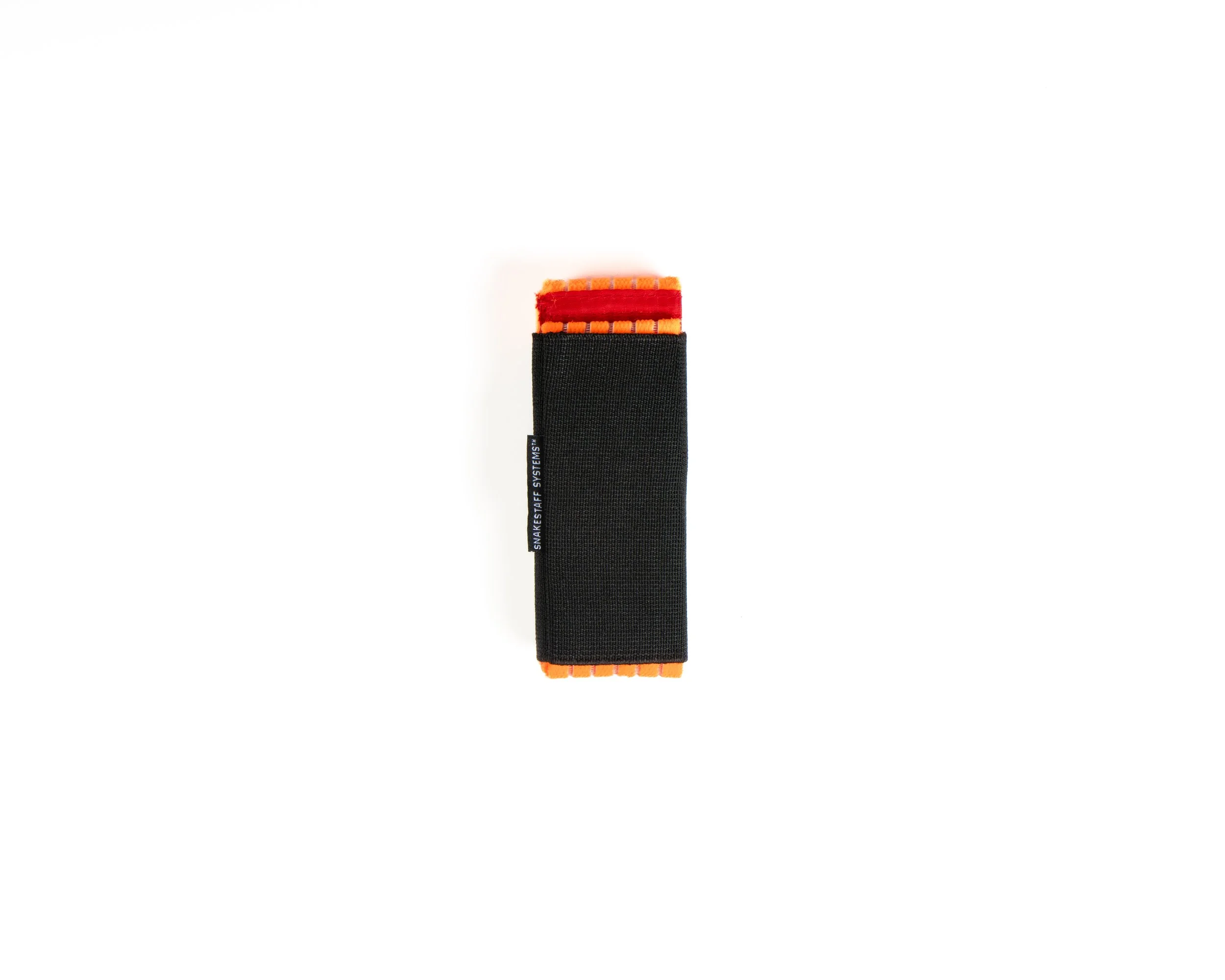
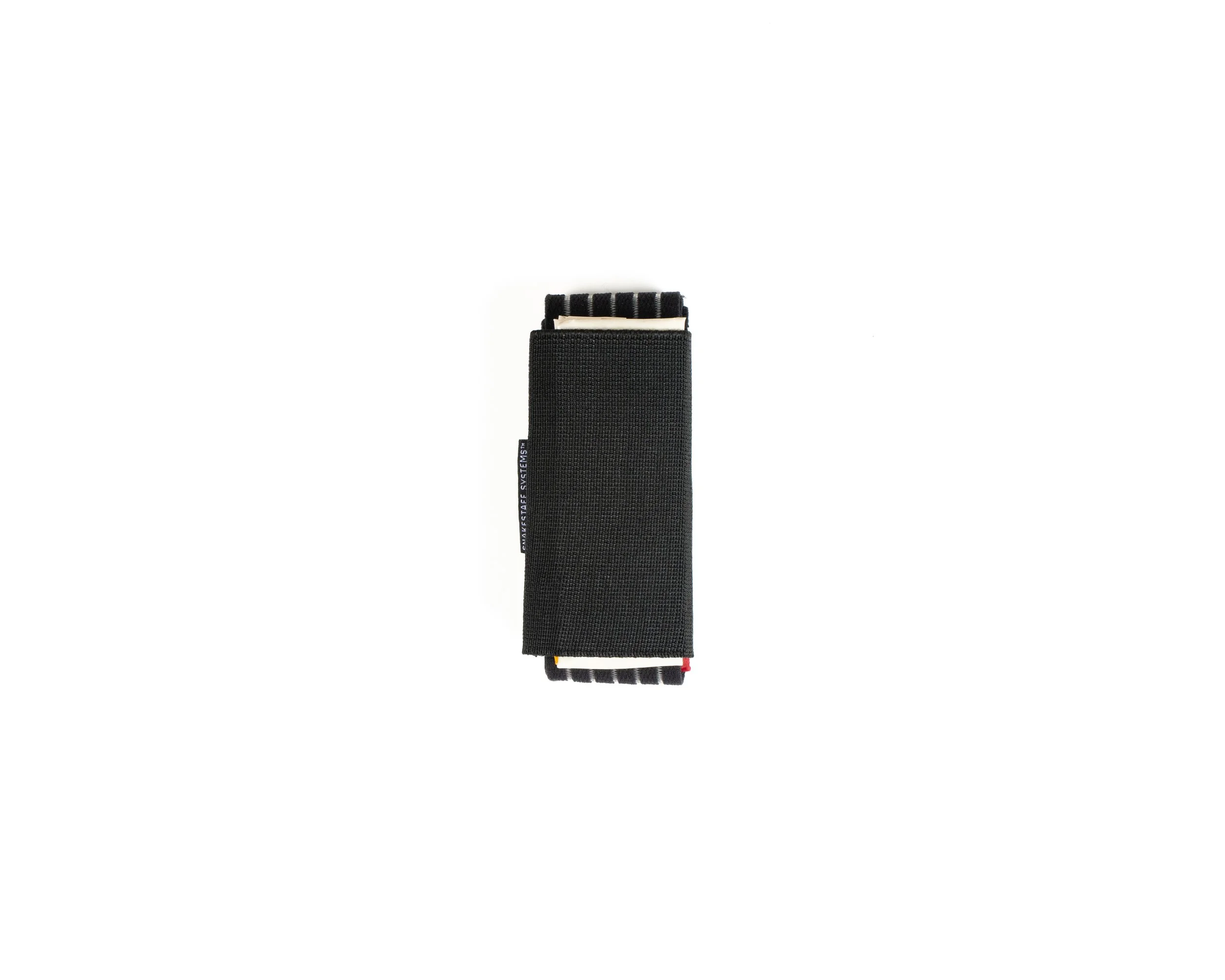
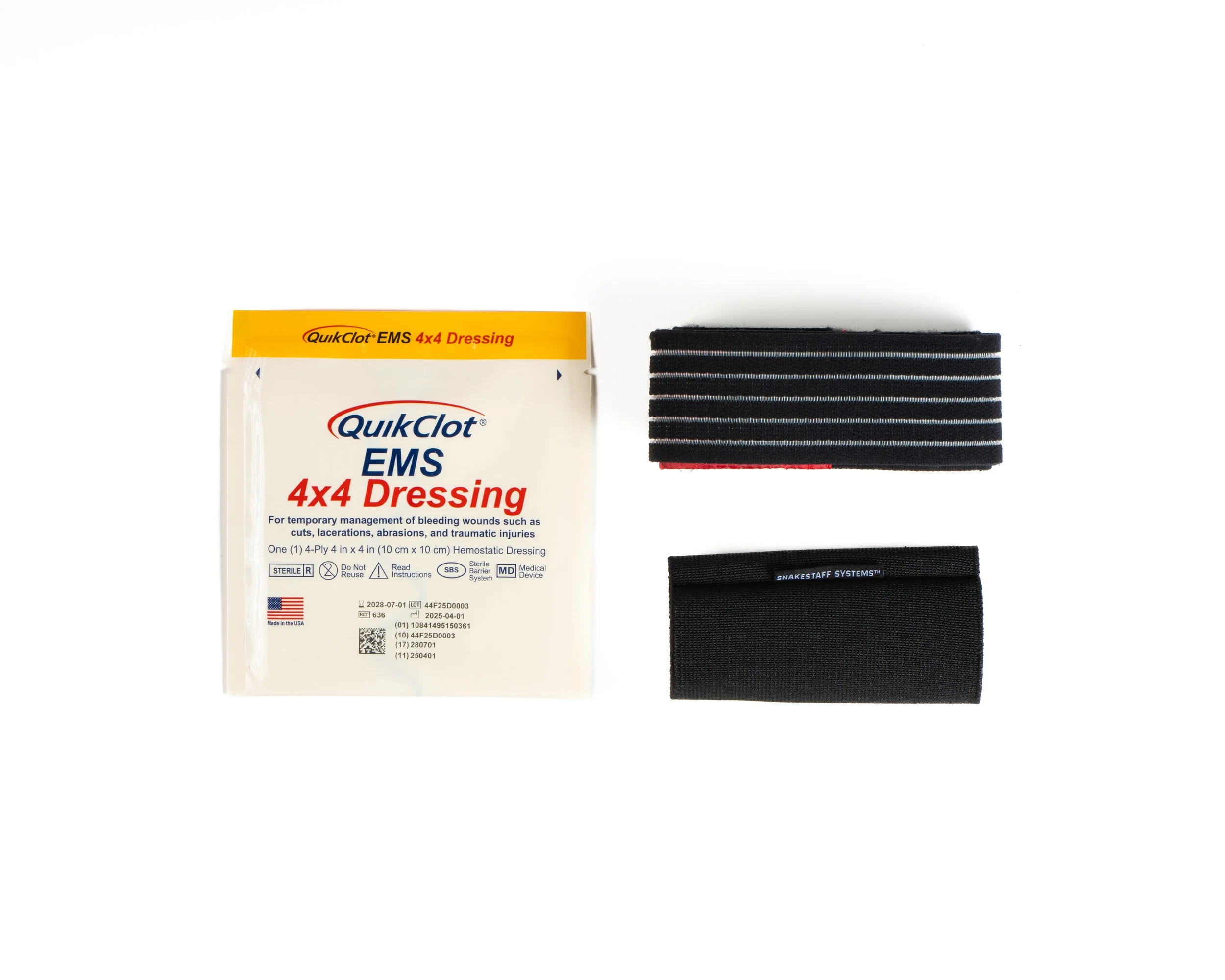
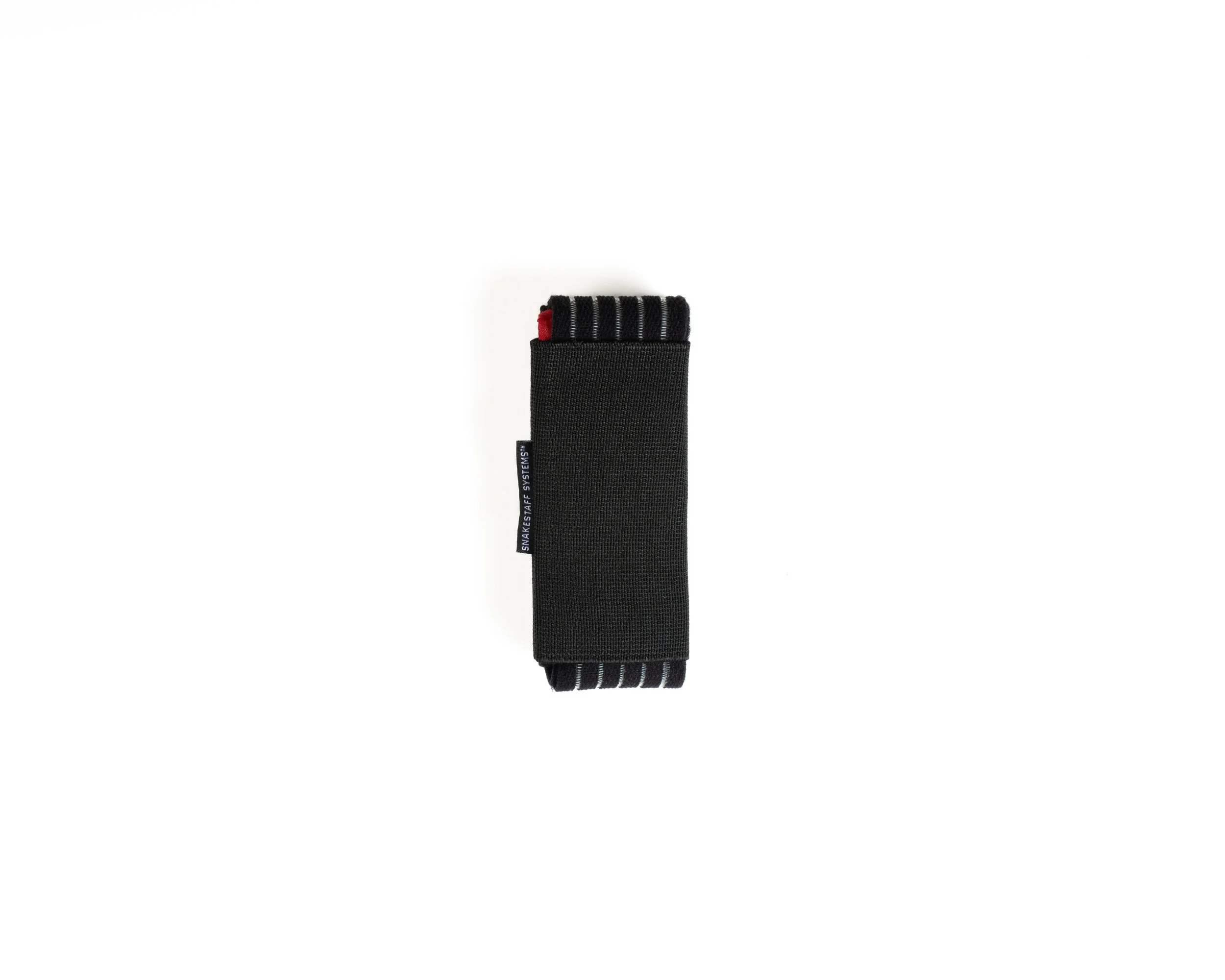
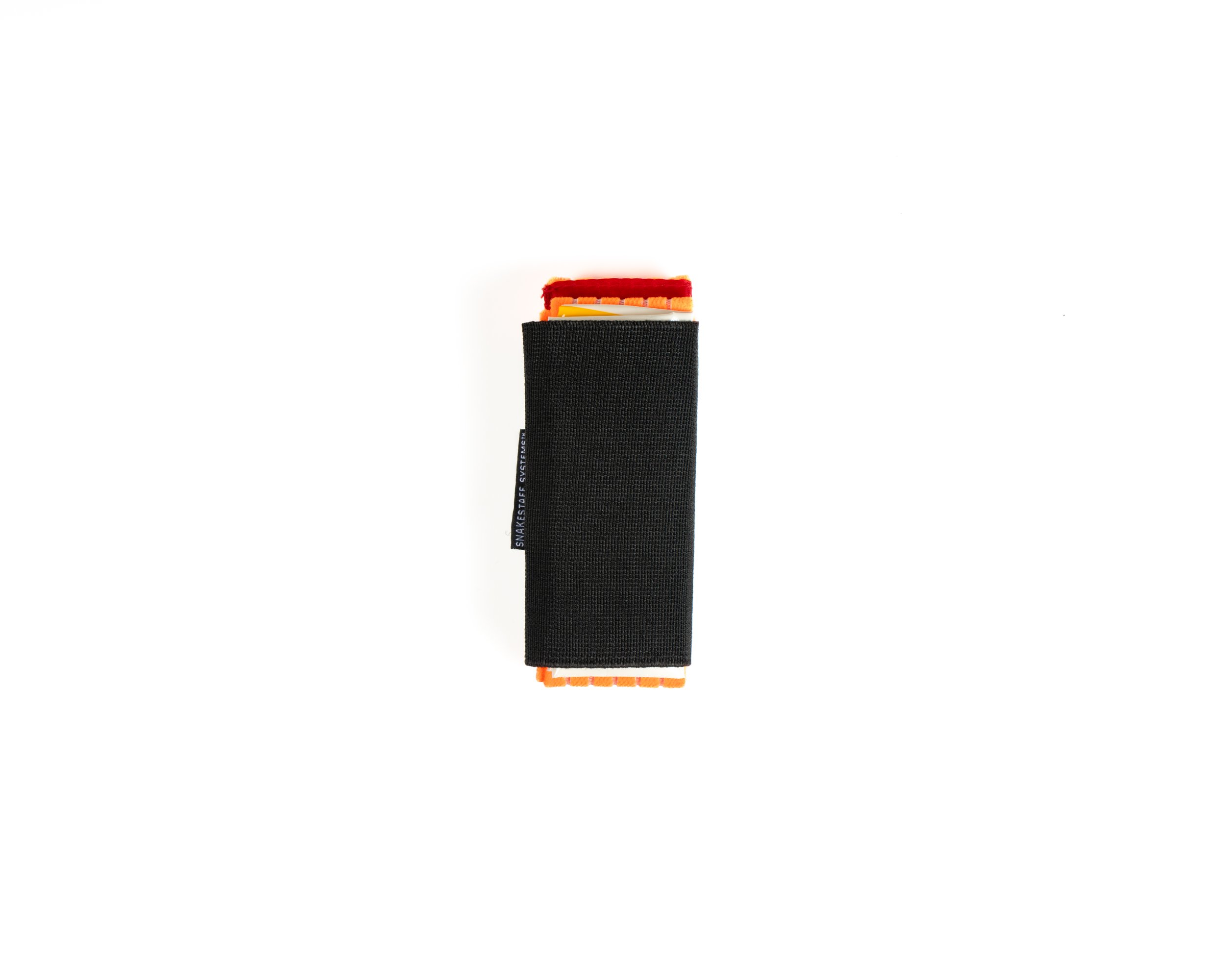
At the core of the Pressure Pak is the Slishman Pressure Wrap, a highly versatile elastic compression system that can function as a pressure bandage, an over-wrap for wound packing, or a secondary securing layer over other dressings. Its strength lies in its adaptability—allowing the user to apply targeted, sustained pressure across a wide range of wound types and locations without complex steps or specialized training. The Pressure Pak is offered in two configurations: a standard version for situations where mechanical pressure alone is sufficient, and a hemostatic version that includes a 4×4 impregnated gauze with a chemical agent designed to accelerate clot formation in more severe bleeding scenarios. Hemostatic agents do not replace proper technique, but when paired with direct pressure and wound packing, they can provide an added layer of effectiveness—particularly in deep or irregular wounds where controlling hemorrhage is more difficult. Both variants follow the same escalation-based approach taught in modern trauma care, giving the end user the ability to match the tool to the injury while maintaining simplicity and reliability under stress.